

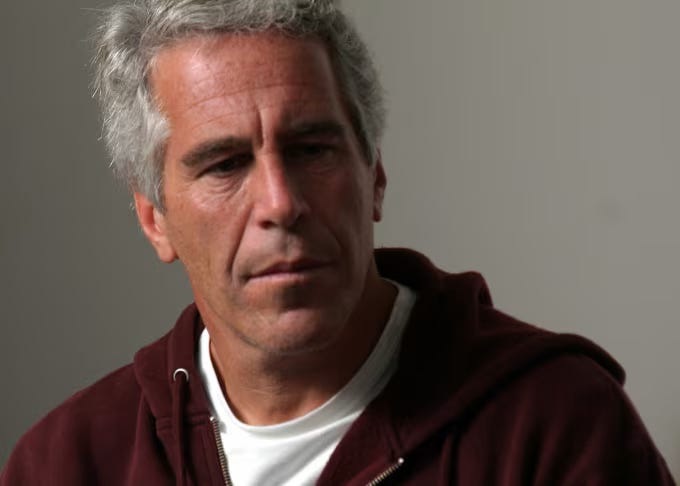
Jeffrey Epstein’s estate has entered into an agreement to resolve a class-action lawsuit filed by survivors, with payments totaling up to $35 million.
Epstein’s estate was previously valued in the hundreds of millions of dollars.
The civil complaint, submitted in 2024, contends that estate co-executors Darren Indyke and Richard Kahn assisted in facilitating Epstein’s trafficking and abuse and contributed to shielding him from accountability by concealing his conduct over an extended period.
In a filing submitted Thursday, Indyke and Kahn rejected those allegations. They asserted they had no participation in any trafficking-related activity connected to Epstein and stated they do not believe any member of the proposed class sustained harm as a result of their actions. If approved, the agreement would conclude all claims against both men and the estate, subject to judicial review.
Broader Legal Context
The proposed resolution arrives during an ongoing period of public disclosure related to Epstein. Over the past year, the Justice Department has released millions of pages of records tied to his activities, increasing scrutiny around financial institutions, estate actors, and associated networks.
Court documents filed Thursday indicate the payout could reach $35 million, though the final amount depends on class participation. Should fewer than 40 eligible claimants take part, the settlement total may decrease to $25 million.
Representatives for the survivors, as well as counsel for Indyke and Kahn, have been contacted for comment.
Prior Compensation Efforts
Following Epstein’s death in August 2019 while he awaited federal sex trafficking charges, survivors turned to civil avenues for restitution.
In late 2019, attorneys for the estate sought authorization to establish a compensation program designed to address survivor claims outside of prolonged litigation. The fund launched in mid-2020. Payments were suspended in early 2021 due to financial constraints within the estate. Before operations paused, more than 150 claims had been submitted and over $50 million had been distributed.
Separate civil settlements were also reached with financial institutions that maintained business relationships with Epstein. JPMorgan Chase agreed to a $290 million class-action settlement, while Deutsche Bank resolved claims for $75 million.
Taken together, civil payouts and negotiated settlements connected to Epstein now exceed $450 million.
The settlement resolves one civil pathway. It does not conclude broader institutional questions that remain part of the public record.
Why Continued Reporting Matters
Sustained accountability reporting requires access to court filings, financial disclosures, and long-form investigative review.
Upgrade to a paid subscription to support continued documentation and analysis of institutional settlements and public-record exposure:
A $35 million agreement raises questions about justice, liability, and systemic protection.
Where do you stand?
Vote below.
$35 million does not seem nearly enough for the crimes and how many he harmed.