

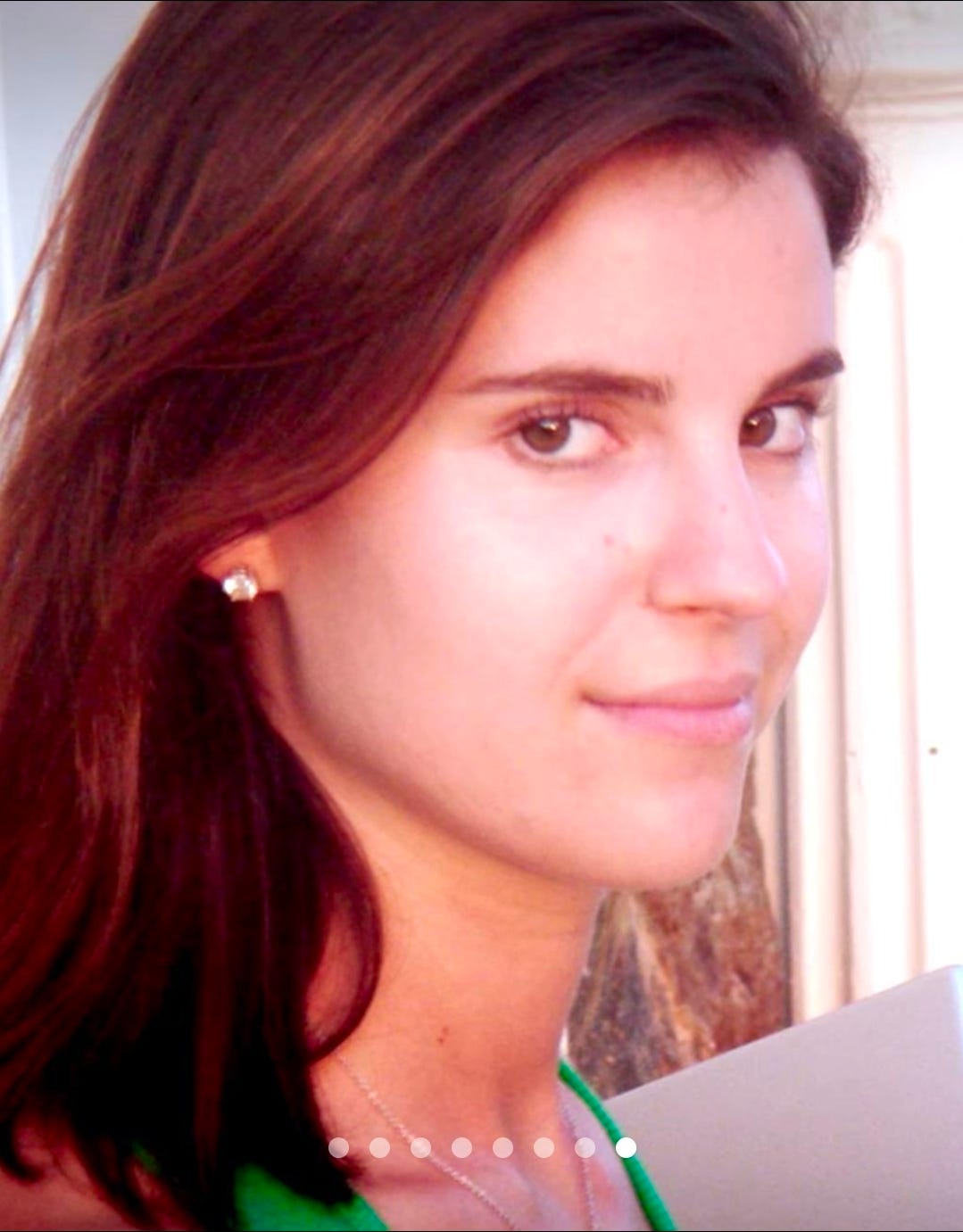
Sarah Kellen is stepping into Congress with a story that cannot be flattened into a clean category. She was one of the women named as a “potential co-conspirator” in Jeffrey Epstein’s 2007 nonprosecution agreement, the deal that helped him avoid the full weight of federal accountability while shielding named women and others around him from prosecution. Now, on the eve of a closed-door interview with the House Oversight Committee, Kellen says she was not only part of Epstein’s orbit. She says she was abused, manipulated, and silenced by it.
That does not erase what other survivors have said about her. Survivors of Epstein and Ghislaine Maxwell have alleged that Kellen helped arrange logistics around the abuse, including calls, massage appointments, escorting girls, and encouraging girls to bring others. Those allegations sit at the center of why Kellen’s name has remained so charged for nearly two decades. Some survivors still view her as someone who enabled the harm that reached them.
But Kellen and her lawyers are asking the public to see a more complicated truth: that Epstein’s system did not only use money, power, lawyers, and secrecy. It also used people. It blurred roles, trapped victims inside the machinery, and then left the public to sort through the damage after prosecutors had already allowed Epstein’s network to shape the record.
That is why her testimony matters. Congress should not use Kellen’s appearance to sanitize her image, erase survivor anger, or turn complexity into absolution. It should use her testimony to expose how Epstein’s system worked, how federal prosecutors failed to untangle it, and how the 2007 deal helped protect power while survivors were left carrying the consequences.
Kellen worked for Epstein for more than a decade, beginning in 2001. According to allegations made in law enforcement interviews, civil lawsuits, and public documents, her role placed her near some of the logistics that made Epstein’s abuse possible. That is not a minor detail. In trafficking systems, logistics are not background noise. They are often how harm becomes routine, how access gets normalized, and how victims are moved through a system designed to look ordinary from the outside.
At the same time, Kellen says Epstein sexually and psychologically abused her. Her lawyers say prosecutors eventually recognized her as a victim and declined to prosecute her. She has described her experience as one marked by grooming, manipulation, and a power imbalance that made it difficult to understand the full reality of what Epstein was doing while she was inside his world. That claim deserves scrutiny, but it also deserves to be examined seriously because Epstein’s entire operation depended on coercion, isolation, hierarchy, and control.
The public record already shows why this cannot be reduced to one simple frame. Prosecutors once considered charging Epstein over an alleged assault involving Kellen. Days later, the direction of the deal shifted, and Epstein’s lawyer proposed language protecting “potential co-conspirators,” including Kellen. By the time the nonprosecution agreement was signed, Kellen was no longer treated in the document as a possible victim of Epstein. She was named as someone protected by the agreement, while Epstein remained the central beneficiary.
That matters because the deal did more than protect Epstein. It shaped how the public understood everyone around him. It placed Kellen into a category that has followed her ever since, without clear evidence that prosecutors had fully interviewed her, fully investigated her experience, or fully separated what she may have done from what may have been done to her. The agreement created a public label before the public received a full accounting.
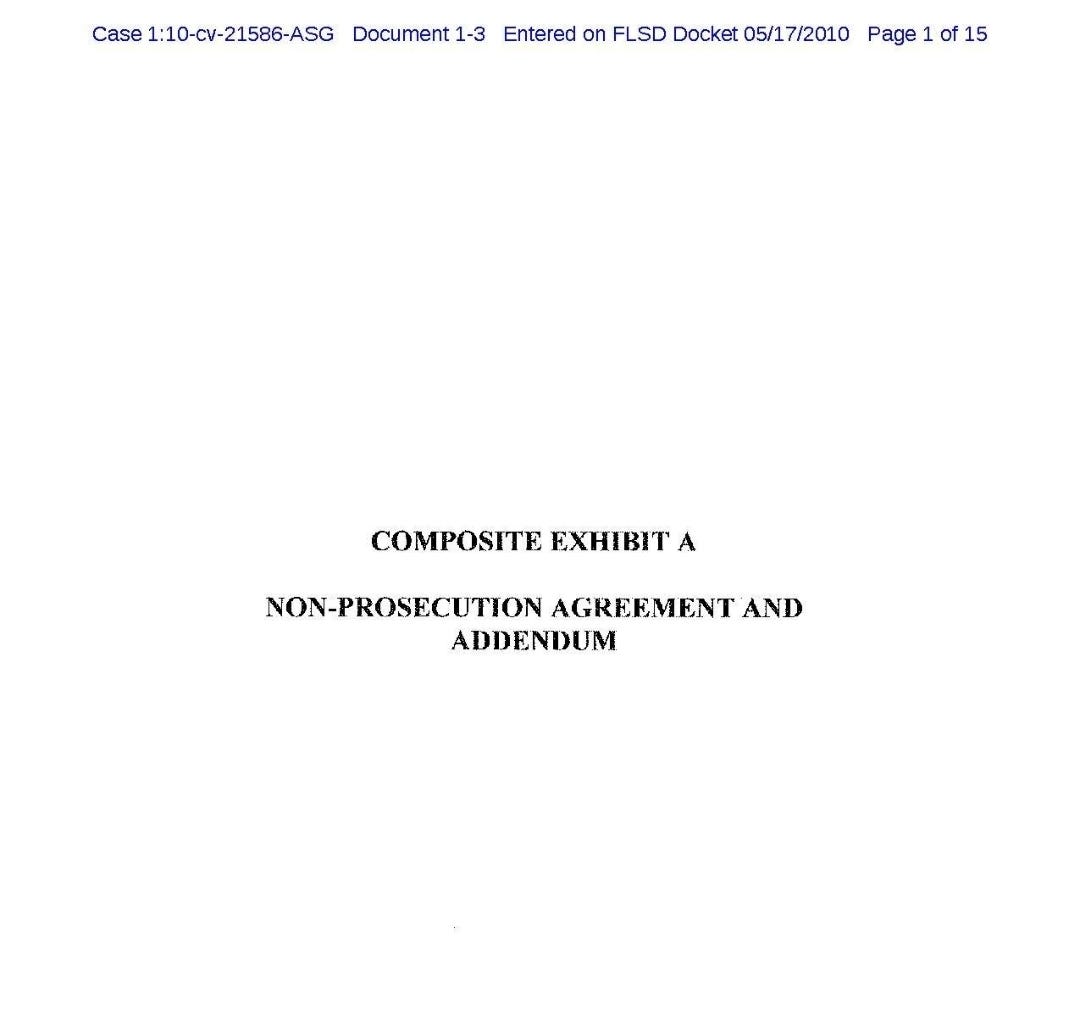
The 2007 agreement was already one of the most infamous failures in modern prosecutorial history. Epstein pleaded guilty to state prostitution-related offenses, served less than 13 months with work release, and registered as a sex offender. The federal case was resolved in a way that helped avoid a full public trial, shielded others from exposure, and denied survivors the kind of open accountability that could have forced the network into daylight.
Kellen’s account adds another layer to that failure. If she was named in the deal without being interviewed or consulted, then prosecutors allowed Epstein and his lawyers to define her legal position before they fully heard from her. If prosecutors knew of allegations that Epstein assaulted her but still allowed her to be labeled through his deal, then the system did not simply fail to prosecute Epstein properly. It failed to publicly distinguish between victims, witnesses, alleged enablers, and people trapped inside the architecture of his abuse.
That distinction is not about excusing harm. It is about accountability being precise enough to matter. Epstein’s world was built to confuse responsibility, blur proximity, and make everyone around him useful to his survival. A serious investigation should have taken that apart piece by piece. Instead, the deal helped compress the story into legal categories that served Epstein’s outcome more than the truth.
One of the most disturbing pieces of the reported record is the St. Thomas airport incident. Kellen says that around 2007, she and another woman were with Epstein when someone indicated the FBI wanted to speak with them. According to her account, Epstein went to speak with them instead, then returned and told the women to leave. Documents reportedly show that a federal law enforcement agent had gone to the airport hoping to serve target letters on two women expected to be traveling with Epstein, but was told Epstein was traveling alone.
If that account is accurate, it raises a brutal question: how much access did Epstein still control while federal authorities were supposedly investigating him? A man under investigation for sexual abuse should not have been able to function as the gatekeeper between law enforcement and women in his orbit. Yet that is the pattern that keeps appearing in Epstein’s story. He controlled money, movement, lawyers, houses, planes, schedules, and narratives. The system investigating him too often seemed to move around that control instead of breaking through it.
Kellen says the nonprosecution agreement made her a target and made it impossible for her to speak. That claim deserves to be weighed against the anger of survivors who say she harmed them or helped facilitate harm. Both realities can exist inside the same investigation. A person can be victimized by a predator and still be part of a system that harmed others. The question for Congress is not whether Kellen can be placed cleanly into one moral category. The question is what Epstein’s machinery made possible, who benefited from the confusion, and why prosecutors allowed so much of it to remain unresolved.
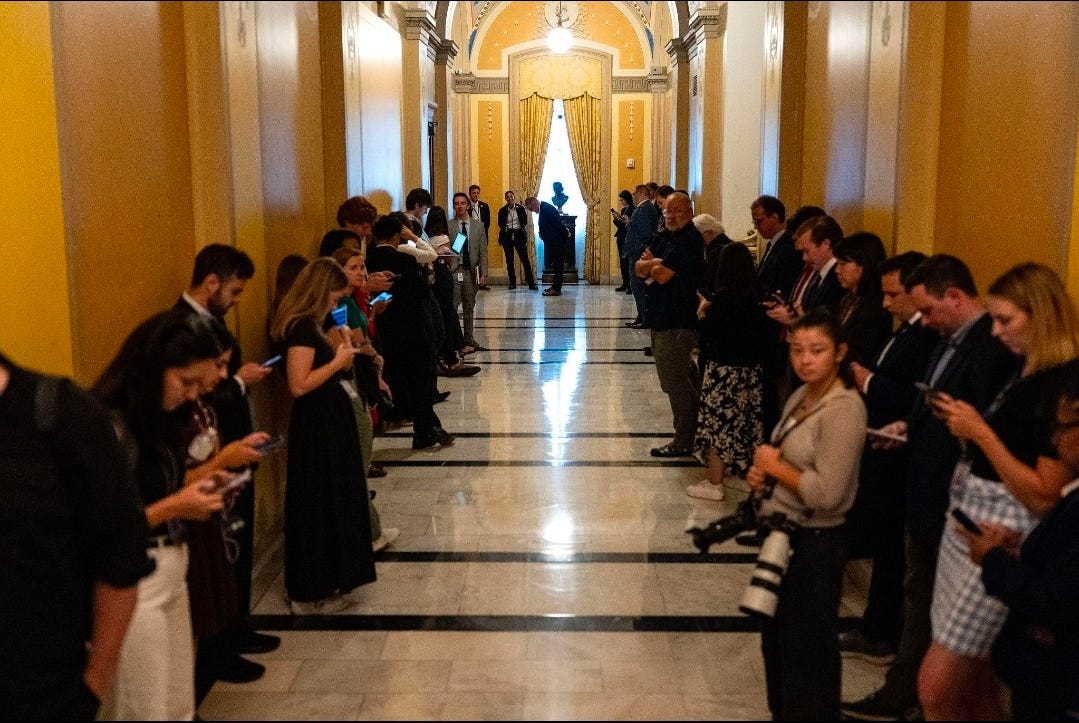
This is where Congress has to be careful. Kellen’s testimony should not become a redemption tour. It should not become a spectacle where complexity is used to soften the harm done to Epstein’s victims. Survivors who accuse Kellen of helping arrange access to abuse deserve to have those claims treated seriously. Their anger is part of the record too, and no testimony should erase what they have carried.
But Congress also should not ignore the possibility that Epstein’s system consumed vulnerable people and then used them as shields. Trafficking networks often rely on layered roles, trauma bonds, dependency, fear, and coercion. That does not make every action harmless. It means investigators have to understand how control works if they want the truth instead of a simplified story that lets the most powerful people disappear behind lesser names.
The deeper failure is that the public is still trying to understand these roles nearly two decades after the sweetheart deal. That delay is not accidental. It is the product of a legal process that protected Epstein’s structure instead of exposing it. The 2007 agreement allowed him to absorb minimal public consequences while survivors were denied the full force of federal accountability. It also allowed the network around him to remain blurred, half-named, and underexamined.
Kellen’s upcoming testimony should be judged by what it reveals, not by whether it makes people more comfortable with her. What did she see? Who controlled access to victims? Who gave instructions? What did Epstein’s lawyers negotiate and why? What did prosecutors know before they named her? Why was she not interviewed before the agreement shaped her public identity? Who else was protected by the ambiguity of that deal?
Those are the questions Congress should pursue. Not because Kellen’s pain cancels out anyone else’s, and not because survivor complexity should be used to dilute accountability. The point is the opposite. Epstein’s system survived because power was allowed to hide inside complexity. The only way to honor survivors is to pull that complexity into the open without letting it become cover.
Sarah Kellen says she was Epstein’s victim. Survivors have accused her of helping enable abuse. Prosecutors once considered her through more than one lens, then allowed Epstein’s agreement to define her as a “potential co-conspirator” without the public ever getting a full explanation. That is the failure at the center of this story: not one woman’s image, but a system that let Epstein’s machinery write too much of the record before survivors had the truth.
Congress does not need to decide whether this story is simple. It needs to prove that it is willing to investigate why it was kept so complicated for so long.
Support Epstein Files Resistance.
This work exists because the Epstein case is not only about one predator. It is about the dealmaking, legal protection, sealed records, institutional failures, and powerful networks that allowed abuse to survive behind procedure.
If Sarah Kellen’s testimony reveals anything, it should be this: the public still does not have the full truth about how Epstein’s machinery worked, who was protected, who was silenced, and who was left to carry the damage.
Upgrade to a paid subscription to support reporting that keeps the files, the survivors, and the accountability trail in public view.