

The Arrest That Closed One Case — And Left Many Others Untouched
On the evening of July 6, 2019, federal agents were waiting on the tarmac at Teterboro Airport in New Jersey as Jeffrey Epstein returned from abroad. Within hours he would be in custody, facing federal charges related to sex trafficking of minors. During the ride to Manhattan, he reportedly asked whether the arrest concerned “sex trafficking” and “underage” girls. It did. Weeks later, he would be dead in a jail cell.
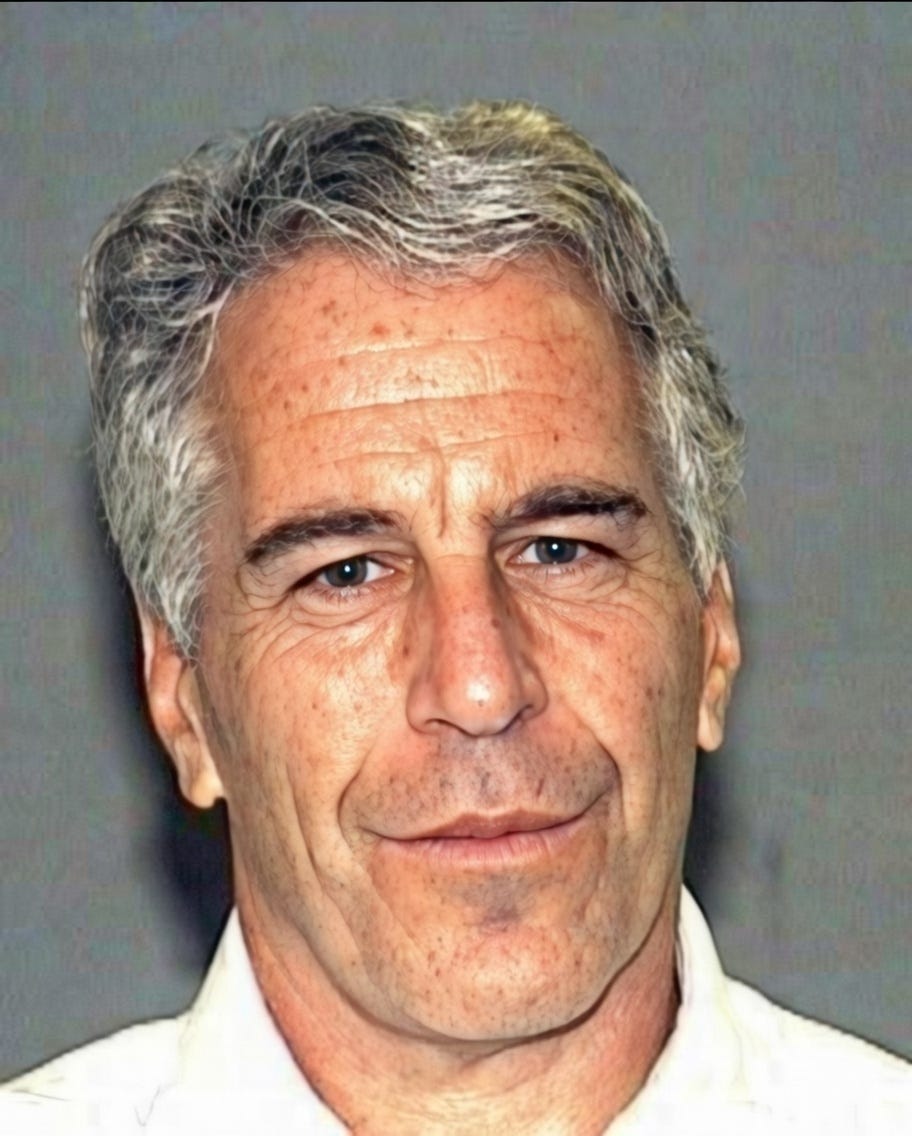
His death ended the prosecution against him, but it did not end the questions. In the years since, only one associate — Ghislaine Maxwell — has been convicted in federal court. Despite decades of allegations, sprawling financial relationships, and documented recruitment networks, the wider circle around Epstein has largely avoided criminal exposure in the United States.
Newly disclosed Justice Department materials, including internal emails and memoranda, offer a clearer view into why that happened. The documents suggest a pattern of narrow prosecutorial focus, missed coordination, and investigations that stalled before expanding into financial or institutional accountability.
Early Warnings That Went Nowhere
One of the earliest known reports came in the mid-1990s. Maria Farmer, an artist who worked for Epstein, contacted authorities after growing alarmed about his behavior. She reported concerns involving minors and described conduct she believed to be criminal. Records indicate that her complaint was received but not aggressively pursued.

That early failure proved consequential. In the years that followed, additional victims would emerge, and Epstein’s social and financial influence expanded rather than contracted. By the time law enforcement reengaged seriously, significant harm had already occurred.
The Florida Case and the Plea Deal That Changed Everything
In 2005, Palm Beach police began investigating after a teenage girl reported being paid for a “massage” at Epstein’s residence. Detectives ultimately identified numerous young women and girls who described similar encounters, some alleging coercion and assault.

Local investigators believed the conduct supported more severe charges than simple solicitation. The matter was referred to federal prosecutors. Draft indictments were prepared. Yet negotiations between Epstein’s legal team and federal officials resulted in a non-prosecution agreement in 2008.
Under that arrangement, Epstein pleaded guilty to state charges and served roughly 13 months in a county facility, much of it under unusually permissive conditions. The agreement also included protections shielding potential co-conspirators from federal charges. The deal was kept confidential from many victims at the time.
Years later, that agreement would be widely criticized as an extraordinary concession to a well-connected defendant. It also set the stage for what followed: a long period during which Epstein resumed travel, business dealings, and social access.
Financial Investigations That Never Fully Materialized
After Epstein’s release, various federal agencies examined aspects of his financial activity. Reports indicate that suspicious banking transactions were flagged and that investigators explored possible wire irregularities. However, these inquiries did not culminate in criminal charges.

Despite substantial documentation of his international banking relationships and large transfers tied to consulting arrangements, there appears to have been no comprehensive, coordinated “follow-the-money” investigation in the United States that matched the scale of his financial network.
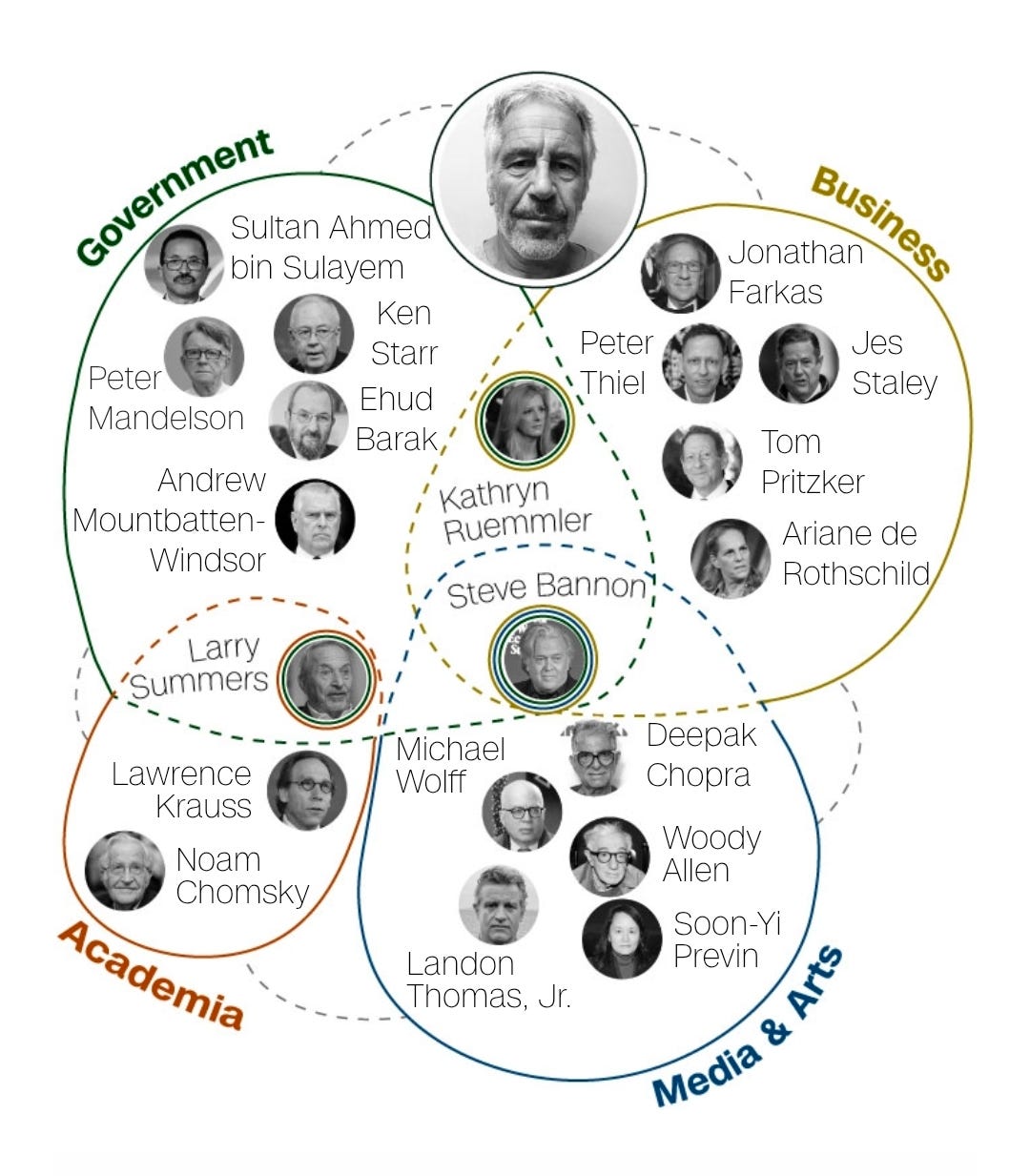
The absence of that broader financial probe remains one of the most persistent criticisms of federal enforcement efforts.
A Missed Opportunity in 2016
In 2016, attorneys representing victims met with federal prosecutors in New York and urged them to reopen a criminal investigation. Internal notes indicate that follow-up with federal agents in Florida did not occur as expected. Communication breakdowns and assumptions about prior satisfaction with the Florida resolution appear to have contributed to inaction.
It would take investigative reporting years later to bring renewed attention to the earlier plea deal and revive federal momentum.
The 2019 Indictment and Its Narrow Scope
When prosecutors in New York ultimately secured an indictment in 2019, they focused primarily on conduct involving minors in the early 2000s. The charges framed Epstein’s activities as an organized system of exploitation. The case relied in part on evidence previously gathered in Florida.
After Epstein’s death, federal authorities interviewed dozens of women. Some accounts referenced prominent individuals. However, prosecutors later concluded that they lacked sufficient corroboration to pursue additional federal sex-trafficking charges against others.
Officials have stated that while allegations existed, they did not meet the evidentiary threshold required for federal prosecution. Critics argue that certain investigative avenues — particularly financial leverage, sponsor relationships, and institutional knowledge — were not pursued aggressively enough.
The Pattern Behind the Outcome
The released materials do not reveal a single dramatic obstruction or one decisive act of protection. Instead, they trace a pattern of constrained decisions: investigations defined narrowly, financial trails deprioritized, interagency follow-ups left unfinished, and prosecutorial strategies confined to what could be proven quickly rather than what might expose the full architecture of the network.
That pattern helps explain both parts of the question posed in the title. The investigations took so long because early warnings were not escalated, plea agreements narrowed future options, and agencies failed to coordinate across jurisdictions. They did so little because enforcement focused on the most direct charges against one central figure while avoiding broader financial and institutional accountability.
The result was a case that produced convictions for two people, but left the deeper ecosystem largely untouched — a record of action that addressed immediate criminal conduct, yet stopped short of fully confronting the structures that enabled it.
Follow the Investigation
Accountability does not stop at one conviction. The full network — financial, institutional, and political — still demands scrutiny.
Epstein Files Resistance:
He had and has dirt on everyone.
Don is the Blackmailer
Jeff is the groomer
Max is the recruiter
Thin eyes is the spy
The scale of harm was always clear. The real question is why accountability was allowed to stall for so long.